
A&A GenPro Blog
Installing a 30kW Generator: What You Need to Know
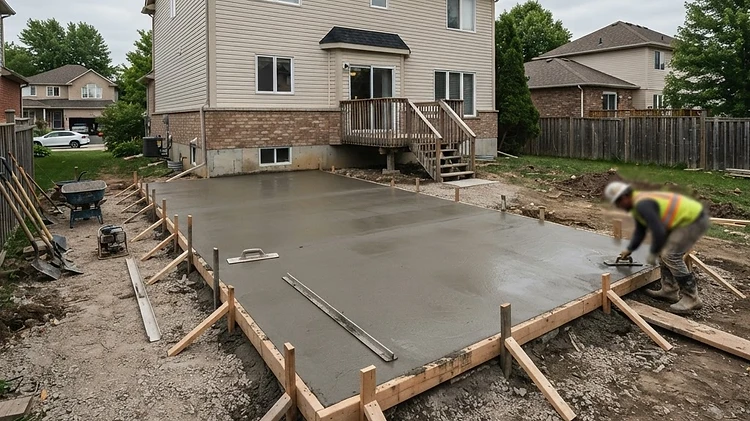
A 30kW generator is enough to run a medium-sized home or small business during an outage, making it a popular, well-balanced choice. Here is everything you need to know about planning, installing, and maintaining one.
Why choose a 30kW generator
- Adequate power: enough to keep essential systems running for most medium homes or small businesses.
- Versatility: handles refrigerators, air conditioners, computers, and medical devices.
- Cost-effective: a good balance of output and price.
- Reliability: with proper maintenance, years of dependable service.
Planning the installation
Assess your power needs
List everything you want powered, calculate starting and running wattage, factor in future needs, and confirm with a professional. It is better to have slightly more power than not enough.
Choose the right location
Keep the unit at least 5 feet from the building, close to fuel sources, compatible with single- or three-phase service, and mindful of zoning, noise, and maintenance access.
Obtain permits
Contact your local building department, submit detailed plans, and schedule inspections, including noise-ordinance compliance. Skipping permits can mean fines or removal.
Preparing for installation
Gather concrete pad materials, a transfer switch, conduit and wiring, a fuel line, safety gear, and hand tools. Clear and level the site, pour the pad per the manufacturer's specs, and ensure drainage. Coordinate with a licensed electrician, a plumber or gas fitter, the dealer, and inspection officials.
The installation process
Step 1: Place the generator
Use a forklift or crane to position the unit on the pad, ensure it is level and aligned, and secure it per the manufacturer's instructions.
Step 2: Install the transfer switch
Mount the switch near the main panel, connect it to the panel, and wire it to the generator. This is precise electrical work for a licensed electrician.
Step 3: Run the fuel line
Run correctly sized pipe from the fuel source, install shut-off valves and regulators, and test for leaks. Gas line work is dangerous; use a licensed professional.
Step 4: Make electrical connections
Run conduit from the generator to the transfer switch, install the proper gauge wiring, and make all connections at both ends.
Step 5: Test and commission
Perform the initial startup per the manufacturer, test all automatic functions including power transfer, verify connected appliances, and adjust settings as needed.
After installation
Keep up with oil changes, air filter replacements, spark plug inspections, coolant checks, and battery maintenance. Follow safety precautions: never run the generator indoors, keep the area clear, never refuel while running, and inspect fuel lines for leaks. Understand your warranty and what it covers.
A&A GenPro handles 30kW installs from planning through commissioning. Call (713) 715-6618 or request a free quote to get started.