
A&A GenPro Blog
Generator Installation: What to Expect and How to Prepare
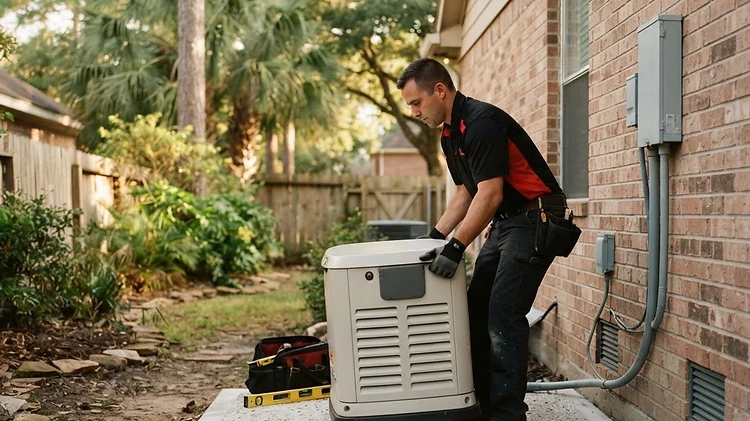
Thinking about installing a generator? Picture this: the power cuts out in the middle of a storm, but while your neighbors fumble for candles, your lights stay on and your fridge hums along. Life continues without a hitch. That is the power of a backup generator. But before you enjoy that peace of mind, you need to know what installation really involves. A smooth install means fewer headaches and total confidence when the grid fails.
Choosing the right generator size
A generator that is too small may struggle to run essential appliances, while an oversized unit can be inefficient and unnecessarily expensive. Small standby generators can handle essential circuits such as lighting, refrigeration, and a few small appliances. Medium-sized units can support multiple rooms, HVAC systems, and larger appliances for homeowners who want more coverage. Large standby generators provide whole-house power including central air conditioning, well pumps, and heavy-duty electrical loads, making them best for larger homes and properties with extensive demands.
Hire the right expert
Do not install a whole-home generator yourself. Look for a licensed electrician or generator specialist with residential and commercial experience. A reputable installer knows local building codes, permitting requirements, and safety standards, and provides a detailed estimate covering labor, materials, and any electrical modifications. Check online reviews and references, and verify credentials.
What to expect during installation
The process starts with a site assessment, where a professional evaluates your property for the best generator location, considering proximity to the electrical panel, fuel access, ventilation, and code compliance. Permits and approvals may be needed next; many municipalities regulate placement, noise, and fuel connections, and homeowner associations may require additional approval. Then the site is prepared, which may include clearing debris, pouring a concrete pad, or adjusting grading. For natural gas or propane units, a plumber may install or modify fuel lines; for diesel, a safe fuel storage tank may be set up.
How to prepare
- List the essential appliances and systems you want powered: refrigerators, HVAC, sump pumps, medical equipment, internet routers.
- Confirm fuel connections are in place, or arrange propane tank installation or delivery and diesel storage.
- Coordinate with your utility company if the install requires shutting off power or modifying your electrical panel.
- On install day, clear the work area and ensure space for delivery.
Maintenance and testing
Generators require routine upkeep. Check the unit at least once a month for wear, loose connections, or fuel leaks, and look for corrosion, debris buildup, or moisture. Keep the unit clear of dirt, snow, or vegetation that could block ventilation. A professional service plan with annual or biannual inspections makes maintenance easier and more reliable.
Start today
With this guide, your home generator setup should be far easier. A&A GenPro has been installing generators for Houston property owners since 2010. Call (713) 715-6618 or request a free quote to find the right backup power solution.