
A&A GenPro Blog
9 Best Home Standby Generators for Ultimate Power Backup
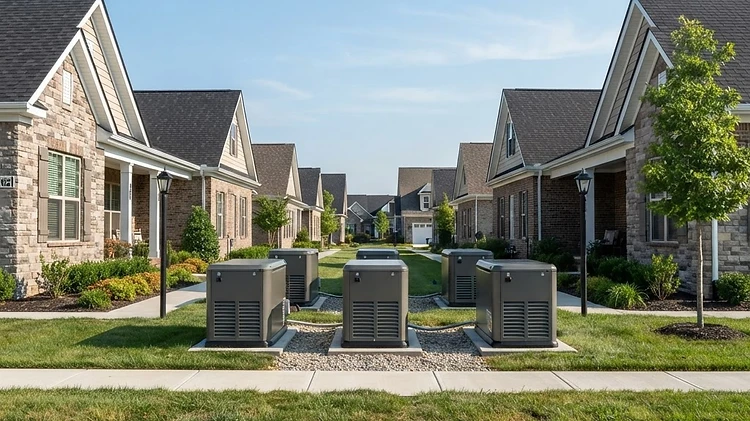
Only about 180,000 Americans live off-grid, so reliable backup power matters for almost every household. With so many options, choosing the right home generator can feel overwhelming. Here are nine types of home generators, their key features, and their pros and cons so you can make an informed choice.
1. Portable generators
Portable generators run on gasoline or propane and are easy to move, with wattage from 3,000 to 10,000 watts. They can power essential appliances during short outages or outdoor activities.
- Pros: easy to transport, affordable, simple to set up
- Cons: limited fuel capacity, regular refueling needed, produces noise
2. Inverter generators
Inverter generators produce clean, stable power ideal for sensitive electronics, and they are quieter and more fuel-efficient than standard portables.
- Pros: quiet, fuel-efficient, safe for electronics
- Cons: limited output, pricier than basic portables
3. Standby generators
Permanently installed outside your home, standby generators kick in automatically during an outage and run on natural gas or propane for uninterrupted power.
- Pros: automatic start, continuous power, can power an entire home
- Cons: expensive installation, regular maintenance
4. Solar generators
Solar generators harness the sun and store energy in battery banks for clean, renewable power.
- Pros: renewable, quiet, no fuel costs
- Cons: dependent on sunlight, high initial cost, limited output
5. Dual-fuel generators
Dual-fuel models run on gasoline and propane, letting you switch fuels based on availability, which is invaluable during emergencies.
- Pros: fuel flexibility, longer runtime, easy refueling
- Cons: higher upfront cost, maintenance for both fuel systems
6. Whole house generators
Whole house generators connect directly to your electrical system and run on natural gas, diesel, or propane, providing reliable, high-capacity power for long periods.
- Pros: powers entire home, long-lasting, reliable for extended outages
- Cons: expensive to buy and install, regular servicing needed
7. Battery backup systems
Battery backups store electricity from solar or the grid and are great for short outages, powering lights, refrigerators, and electronics in silence.
- Pros: silent, no fuel needed, compact
- Cons: limited storage, expensive for larger setups
8. Hydrogen-powered generators
Hydrogen fuel-cell generators produce electricity with water vapor as the only byproduct, an emerging clean-energy option.
- Pros: zero emissions, quiet and efficient
- Cons: high cost, limited fuel infrastructure
9. Wind-powered generators
Small turbines capture wind and convert it to electricity, ideal for windy areas and pairable with solar or battery systems.
- Pros: renewable, low operating costs, minimal environmental impact
- Cons: inconsistent supply, higher upfront cost, needs open space
Choosing the right home generator depends on your needs and budget. A&A GenPro's qualified team helps you compare options and find the best fit. Call (713) 715-6618 or request a free quote today.